
À propos de la Loi sur l’immigration de 1976
Un tournant dans l’histoire du Canada
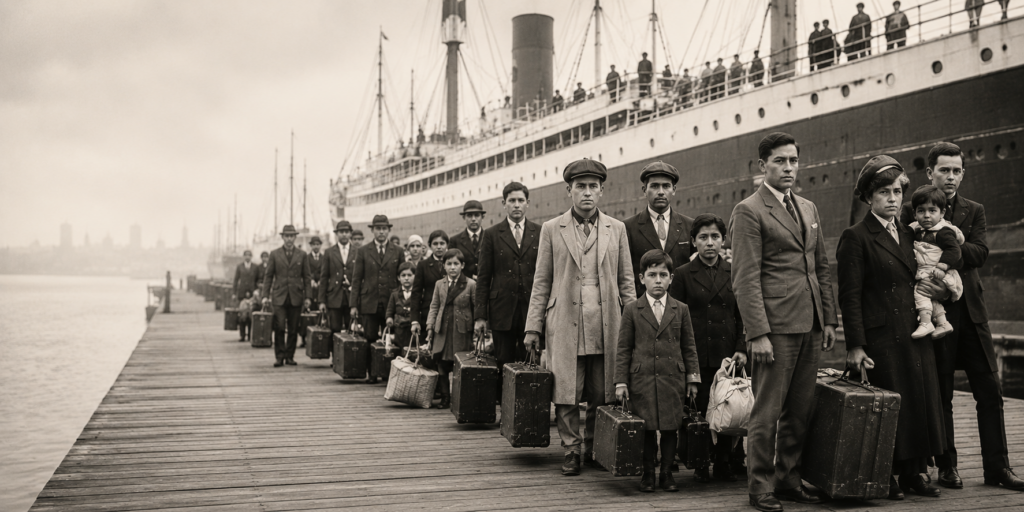
La Loi sur l’immigration de 1976 constitue l’un des jalons les plus importants de l’histoire moderne du Canada. Plus qu’une simple loi, elle a incarné une nouvelle vision du Canada, reconnaissant l’immigration comme un élément essentiel du développement social, culturel, économique et humanitaire du pays.
Alors que les Canadiens soulignent le 50e anniversaire de la Loi en 2026, nous sommes invités à réfléchir non seulement à la loi elle-même, mais aussi aux millions de parcours personnels qu’elle a contribué à rendre possibles. Derrière chaque politique d’immigration se trouvent des personnes et des familles en quête de possibilités, de sécurité, de réunification et d’un sentiment d’appartenance. La Loi sur l’immigration de 1976 a contribué à façonner le Canada que nous connaissons aujourd’hui en établissant des principes qui continuent de guider la politique d’immigration près d’un demi-siècle plus tard.
L’histoire de cette loi est avant tout une histoire humaine. Elle parle de parents et de grands-parents qui ont traversé les océans pour bâtir une nouvelle vie. Elle parle de réfugiés qui ont trouvé la sécurité après avoir fui les conflits et la persécution. Elle parle de familles réunies après des années de séparation. Elle parle de communautés enrichies par des traditions, des langues et des expériences diverses. Elle parle de l’histoire continue du Canada lui-même.
L’héritage de la Loi sur l’immigration de 1976
La Loi sur l’immigration de 1976 a transformé le système d’immigration du Canada et a contribué à établir des principes qui continuent d’orienter le pays aujourd’hui.

Réunification familiale
La réunification des familles est devenue un objectif central de la politique d’immigration.

Protection des réfugiés
Les réfugiés ont été officiellement reconnus et protégés par la législation canadienne.

Sélection équitable
Les immigrants ont été de plus en plus sélectionnés en fonction de leurs compétences et de leurs qualifications, plutôt que de leur nationalité.

Développement économique
L’immigration est devenue un moteur important de la croissance à long terme du Canada.

Diversité et inclusion
La Loi a contribué à soutenir l’identité multiculturelle du Canada et à favoriser une société plus inclusive.

Le Canada avant 1976
Pour comprendre pourquoi la Loi sur l’immigration de 1976 était si importante, il faut d’abord comprendre le système d’immigration qui existait auparavant.
Pendant une grande partie de l’histoire du Canada, les politiques d’immigration étaient principalement conçues pour favoriser le peuplement du territoire, la croissance économique et la construction de la nation. Bien que l’immigration ait largement contribué au développement du Canada, ces politiques reflétaient souvent les réalités sociales et politiques de leur époque. Certains groupes étaient privilégiés, tandis que d’autres faisaient l’objet de restrictions fondées sur leur nationalité, leur origine ethnique ou leur région d’origine.
Pendant les décennies d’après-guerre, la société canadienne a commencé à changer rapidement. La croissance économique, l’urbanisation et une prise de conscience croissante des droits de la personne ont encouragé les Canadiens à repenser de nombreux aspects des politiques publiques. L’immigration n’a pas fait exception.
Une réforme majeure est intervenue en 1967, lorsque le Canada a instauré le système de points, l’un des premiers au monde à évaluer les immigrants en fonction de leur niveau de scolarité, de leurs compétences, de leur expérience professionnelle et de leurs aptitudes linguistiques, plutôt que de leur race ou de leur nationalité. Cette réforme a constitué une étape importante vers un système d’immigration plus équitable.
En même temps, le Canada devenait de plus en plus diversifié. De nouveaux immigrants arrivaient d’Asie, des Caraïbes, d’Afrique, d’Amérique latine et du Moyen-Orient. Les communautés partout au pays changeaient, et les Canadiens commençaient à reconnaître le multiculturalisme comme une valeur nationale importante.
Dans les années 1970, il est devenu évident que le Canada avait besoin d’une loi moderne sur l’immigration, reflétant ces nouvelles réalités et ces valeurs en évolution.

Une nouvelle vision pour le Canada
La Loi sur l’immigration de 1976 a été adoptée par le Parlement en 1976 et est entrée en vigueur en 1978.
Il s’agissait de la première loi canadienne sur l’immigration à définir clairement les objectifs de la politique d’immigration et à établir un cadre complet pour la gestion de l’immigration.
Plutôt que de se concentrer uniquement sur les personnes pouvant entrer au Canada, la Loi définissait les raisons pour lesquelles l’immigration était importante pour le pays. Elle reconnaissait que l’immigration devait contribuer au développement économique du Canada, à sa vitalité culturelle, à ses engagements humanitaires et à sa croissance à long terme.
Pour la première fois, la politique d’immigration était guidée par des principes clairement énoncés, notamment :
🟡 Réunification familiale
🟡 Protection des réfugiés
🟡 Croissance économique
🟡 Enrichissement culturel
🟡 Engagements humanitaires
🟡 Coopération entre les gouvernements
Cette loi a marqué un profond changement dans la façon dont le Canada concevait l’immigration. Celle-ci n’était plus considérée simplement comme un moyen de répondre aux pénuries de main-d’œuvre ou d’accroître la population. Elle était désormais reconnue comme une composante permanente et essentielle de l’avenir du Canada.

Réunir les familles
L’un des aspects les plus importants de la Loi sur l’immigration de 1976 était son engagement envers la réunification familiale.
La Loi a officiellement établi la catégorie du regroupement familial, permettant aux citoyens canadiens et aux résidents permanents de parrainer des membres de leur famille proche.
Pour de nombreuses familles immigrantes, l’immigration signifiait souvent des années de séparation. Des parents, des conjoints, des enfants et des grands-parents étaient fréquemment séparés par la distance et les obstacles liés à l’immigration.
La Loi reconnaissait que des familles solides contribuent à une intégration réussie, à la stabilité des communautés et au bien-être à long terme.
Aujourd’hui, la réunification familiale demeure l’un des piliers les plus durables du système d’immigration du Canada.
L’engagement humanitaire du Canada
La Loi sur l’immigration de 1976 a transformé l’approche du Canada en matière de protection des réfugiés.
Pour la première fois, les réfugiés ont été officiellement reconnus comme une catégorie distincte dans la législation canadienne sur l’immigration.
La Loi a établi des voies juridiques permettant aux personnes fuyant la persécution, les conflits et la violence de demander la protection du Canada.
Son impact est devenu particulièrement visible à la fin des années 1970 et au début des années 1980, lorsque le Canada a accueilli des milliers de réfugiés venus d’Asie du Sud-Est.
Les principes humanitaires établis par la Loi continuent d’influencer aujourd’hui la politique canadienne à l’égard des réfugiés.

Bâtir un Canada diversifié
La Loi sur l’immigration de 1976 est apparue à une époque où le Canada adoptait le multiculturalisme comme une valeur nationale fondamentale.
À mesure que les modèles d’immigration se sont élargis au-delà des pays d’origine traditionnels, des communautés venues d’Asie, d’Afrique, d’Amérique latine, des Caraïbes, d’Europe et du Moyen-Orient sont devenues des parties intégrantes de la société canadienne. Aujourd’hui, les festivals culturels, les organismes communautaires, les lieux de culte, les institutions patrimoniales et les événements multiculturels reflètent la diversité que l’immigration a contribué à créer.
La Loi a joué un rôle important dans l’appui de cette transformation.
Une chronologie du changement

Introduction du système de points, qui évalue les immigrants en fonction de leurs compétences, de leur niveau de scolarité et de leur expérience.
Adoption de la politique du multiculturalisme comme politique officielle du gouvernement.
Le Parlement adopte la Loi sur l’immigration de 1976.
Entrée en vigueur de la Loi sur l’immigration de 1976.
Le Canada accueille des milliers de réfugiés en provenance de l’Asie du Sud-Est.
La Loi sur l’immigration et la protection des réfugiés remplace la Loi de 1976, tout en conservant plusieurs de ses principes fondamentaux.





Comment la Loi a changé des vies

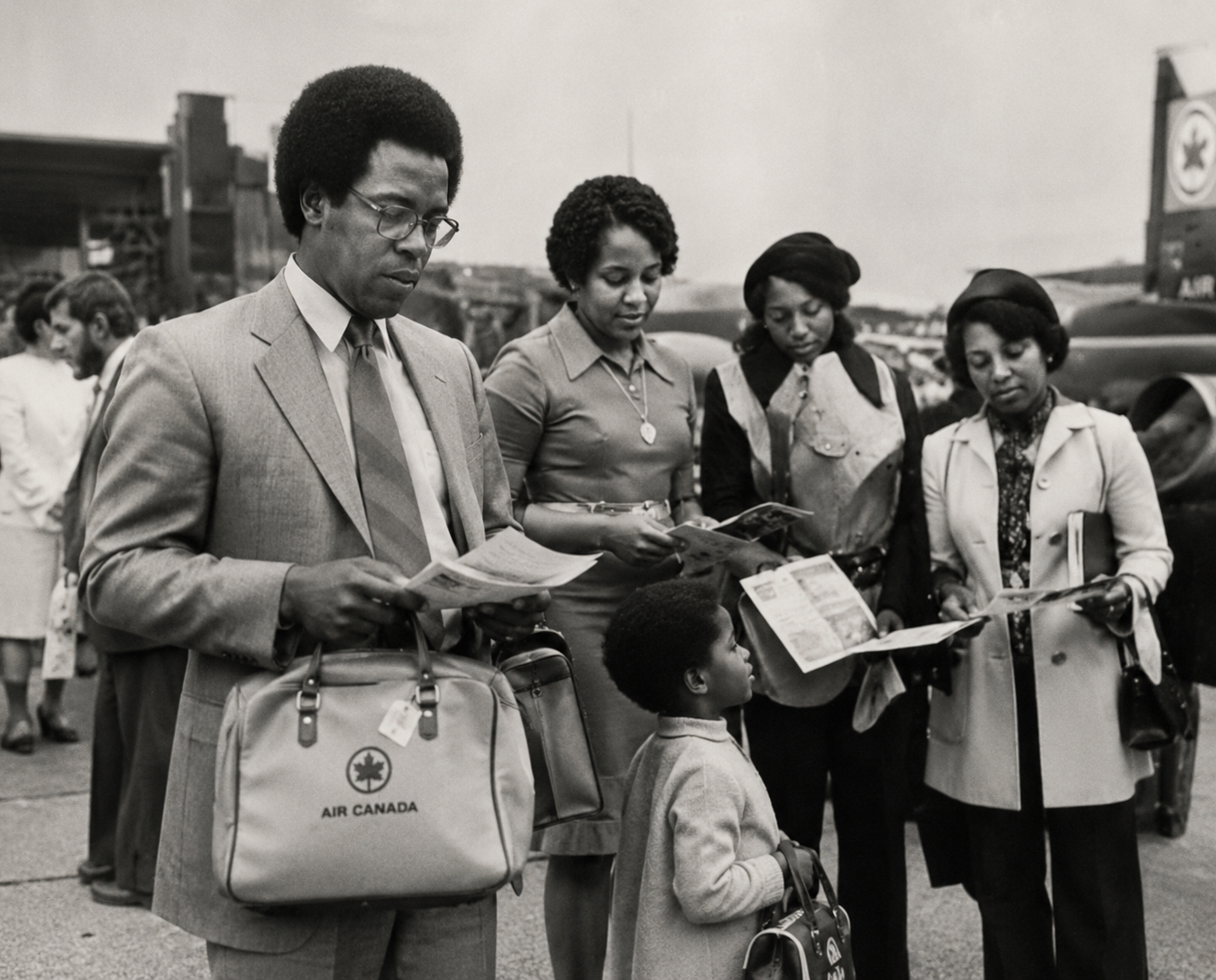
Des familles réunies
Des parents, des conjoints, des enfants et des grands-parents ont pu se réunir et bâtir leur avenir ensemble.

De nouvelles communautés
Neighborhoods across Canada became richer in culture, language, traditions, and perspectives.

Contributions économiques
Les immigrants ont contribué à créer des entreprises, à générer des emplois, à stimuler l’innovation et à renforcer l’économie du Canada
L’évolution de la population canadienne
La Loi sur l’immigration de 1976 a contribué à cette transformation en créant un cadre d’immigration plus structuré et plus inclusif. Son accent sur la réunification familiale, la protection des réfugiés, l’équité et la planification à long terme reflétait l’identité changeante du Canada en tant que société multiculturelle.
Au cours des décennies suivantes, l’immigration a continué de façonner la population du Canada et de renforcer les communautés d’un océan à l’autre. Les nouveaux arrivants ont apporté des langues, des traditions, des connaissances, des compétences et des perspectives qui ont enrichi tous les aspects de la vie canadienne. Leurs contributions se reflètent dans nos écoles, nos entreprises, nos institutions culturelles, nos quartiers et nos célébrations publiques.
Voix de l’immigration
« Le Canada est devenu notre foyer, mais nous n’avons jamais oublié le chemin parcouru. »
« La Loi sur l’immigration a aidé notre famille à se réunir après des années de séparation. »
« Notre histoire est l’une de celles qui ont contribué à façonner le Canada d’aujourd’hui. »
Aujourd’hui, la diversité du Canada est reconnue comme l’une de ses caractéristiques fondamentales. L’identité multiculturelle du pays se reflète dans les nombreuses cultures, langues et traditions qui coexistent et contribuent à un sentiment d’appartenance partagé.

Pourquoi nous commémorons la Loi aujourd’hui
Le 50e anniversaire de la Loi sur l’immigration de 1976 n’est pas simplement l’anniversaire d’une loi. C’est une occasion de rendre hommage aux personnes dont la vie a été transformée par celle-ci et dont les contributions continuent de façonner le Canada d’aujourd’hui.
C’est une occasion de préserver les récits, d’honorer les expériences vécues et d’encourager les générations futures à comprendre le rôle que l’immigration a joué dans la construction du Canada.
Alors que nous soulignons cette étape importante, nous célébrons les parcours, la résilience, les réalisations et les aspirations des immigrants et des réfugiés dont les histoires font partie de notre patrimoine commun.
Votre histoire. Notre avenir commun.
Chaque parcours compte.
Chaque voix compte.
Chaque histoire contribue à l’histoire continue du Canada.
Aidez-nous à commémorer le 50e anniversaire de la Loi sur l’immigration de 1976 en partageant votre histoire.

Ce projet est financé par le gouvernement du Canada.
This project is funded by the Government of Canada.

Le TAAM est un organisme de bienfaisance voué à la préservation, à la promotion et au partage de l'art, de la culture et du patrimoine asiatiques au Canada.
Numéro d'enregistrement d'organisme de bienfaisance :
84610 1160 RR0001